
Geriatric nursing is a highly demanded career focusing on compassionate care for the elderly population through healthcare, treatment, planning, and education for acute and chronic conditions. Madonna University prepares its students to succeed in the geriatric nursing field through a strong, hands-on education.
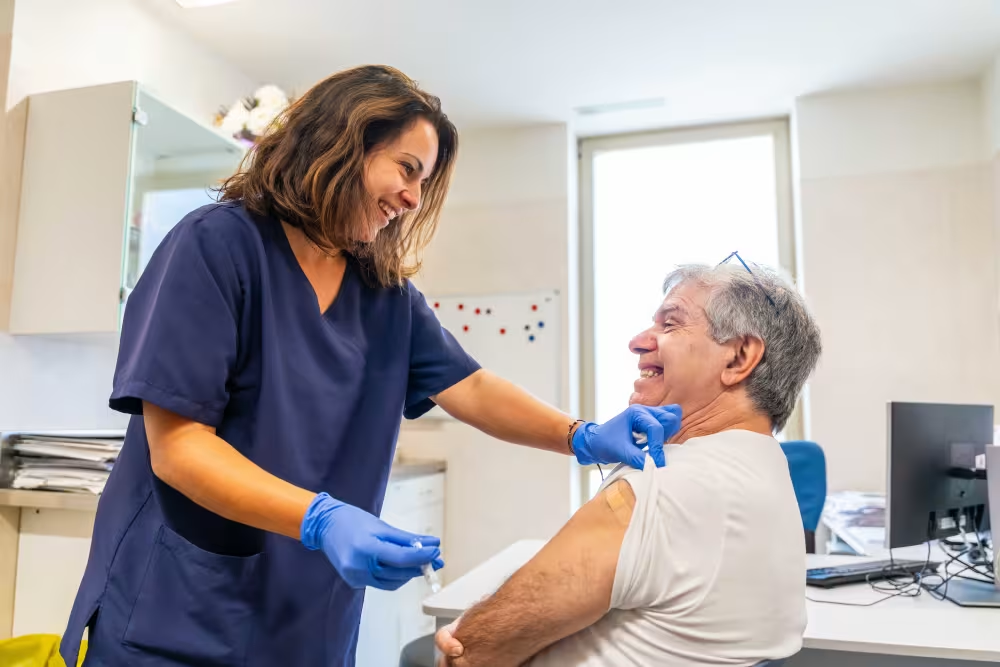
Helping people live long, full lives is at the heart of a geriatric nurse’s work. Through preventive care and acute treatment, these healthcare professionals work diligently to provide care and improve their patients’ quality of life. A typical day in this practice area may include checking medications, coordinating care, and building meaningful relationships. Geriatric nursing is a deeply fulfilling career with a high need for skilled, compassionate nurses.
Madonna University’s Accelerated Bachelor of Science in Nursing (ABSN) program prepares students to succeed in any nursing career. With interactive online courses, immersive experiences in skills and simulation labs, and experience working with patients through clinical rotations, Madonna ABSN students receive comprehensive support in all areas of their education.
If you’re unsure about where you want to go with your nursing education, consider geriatric nursing and learn more about how to become a geriatric nurse.
What is Geriatric Nursing?
Geriatric nursing is care provided by a Registered Nurse (RN) to adults typically aged 65 years or older. These nurses assess health, help manage care, support daily living, and plan for future needs, including end-of-life care when necessary. As a geriatric nurse, you may also manage and prevent acute and chronic illnesses and conditions, as well as educate patients and families.
The Need for Geriatric Nurses
The need for geriatric nurses continues to grow as the average age of the population rises. The category is not defined simply by age. Older adults commonly have complex health needs, requiring more hands-on, specialty care than other populations.
Many older patients take several medications simultaneously, so the healthcare industry needs nurses who can safely and effectively navigate complex medication regimens. Aging can also bring cognitive changes, which means patients may need more advanced physical, emotional, and mental support.

Is an ABSN worth it? How to decide if it’s right for you.
Qualities of a Geriatric Nurse
As a geriatric nurse, you will face challenging situations in which your care can make a major impact each day. You will need compassion and empathy as a geriatric nurse, as you must understand your patients’ pain and concerns while taking practical steps to help.
Working with older adults requires patience and flexibility, as you will be working with patients, families, other nurses, physicians, and healthcare professionals. Because you will coordinate care and educate families, you will need strong communication skills, including active listening, confidence, and clarity in your speaking. To manage the high emotional loads, stress, and complex care needs, resilience is also an essential quality of a geriatric nurse.
Even though geriatric nursing can be demanding, these healthcare professionals can make a lasting impact on the lives of patients and their families.
What Does a Geriatric Nurse Do?
If forming deep connections while providing specialized care sounds right, geriatric nursing may be a good fit for you. Geriatric nurses focus on providing ongoing care for elderly populations. They promote the highest levels of comfort, safety, and well-being for their patients.
Key Responsibilities
Geriatric nurses spend much of their time focused on direct patient care. They assess pain, check vital signs, watch for changes in condition, and manage medications used for daily and long-term health needs. They also help support independence by assisting with activities of daily living such as eating, dressing, and bathing.
Because these nurses document health records and care plans, organization is important. They also help plan future care and coordinate services with other healthcare providers and professionals.
Through education and advocacy, they support the mental, emotional, and social needs of patients and families.
Geriatric Nurses vs Gerontological Nurses
Although gerontological and geriatric nurse duties can overlap in many areas, there are a few differences. Of the two, gerontology is the broader field, and geriatrics is a subspecialty within it.
A gerontological nurse focuses on the common physical, social, and psychological needs of older adults. By adopting a more comprehensive approach, these nurses focus on bedside care and support for limited mobility. They aim to promote wellness and the highest quality of independence. Gerontological nurses also pay close attention to social and emotional well-being, as well as physical health.
A geriatric nurse focuses more directly on treating and managing acute diseases. Often working in preventative care, these nurses focus on managing medications and rehabilitation. They promote health and wellness, alongside care focused on chronic illnesses, including Alzheimer’s and diabetes.
Where do Geriatric Nurses Work?
As a geriatric nurse, you can work in many environments, depending on your nursing goals and specializations. Common workplaces for this practice area include:
- Assisted living or retirement communities
- Home health agencies and nursing homes
- Hospice or palliative care settings for more advanced and specialized care
- Hospitals, clinics, and healthcare facilities
Are you considering relocating for nursing school? Here’s why you should consider Detroit.

How to Become a Geriatric Nurse
Because geriatric nurses play an important role in caring for older adults, many students ask how to become a geriatric nurse. The path usually includes the following steps:
- Earn your nursing degree. Through ABSN programs, you can earn your degree faster if you already have a minimum of 60 college credits or a non-nursing bachelor’s degree.
- After earning your BSN, you must take and pass the NCLEX-RN, a comprehensive nursing exam. Passing this exam ensures you have the knowledge to be a successful nurse and is required for licensure.
- Gain at least two years of experience working as a full-time RN. Many nurses work in medical-surgical or long-term care settings to gain experience and build their skills before pursuing certification.
- Within the last three years, you must have at least 2,000 hours of clinical practice and 30 hours of continuing education in gerontology.
- After completing all the requirements, RNs can earn their Gerontological Certification from the American Nurses Credentialing Center (ANCC).
- If you want to advance your career, you can earn specialized and advanced professional certifications through continuing education and experience.
According to the Economic Research Institute, geriatric nurses in Michigan earn an average of $86,516 per year, which is comparable to the national average. You may be able to earn more with additional certifications and education. Geriatric nurses are expected to be needed 14% more than the average job in the next five years throughout Michigan, so Madonna’s ABSN program is a great place to begin your nursing education.
Prepare for Geriatric Nursing at Madonna University
Take your first steps into geriatric nursing at Madonna University. In as few as 16 months, you can earn your BSN and enter the nursing workforce. After gaining experience, you can pursue certifications and your passion for caring for older adults.
Request information today, and an admissions representative will guide you through the next steps.