
Post-anesthesia care unit nurses play an essential role in the safety of patients recovering from anesthesia post-surgery. PACU nurses need thorough knowledge of surgical anesthetics and their potential side effects. After becoming a registered nurse, transitioning to PACU nursing typically requires experience and a CPAN/CAPA certification.
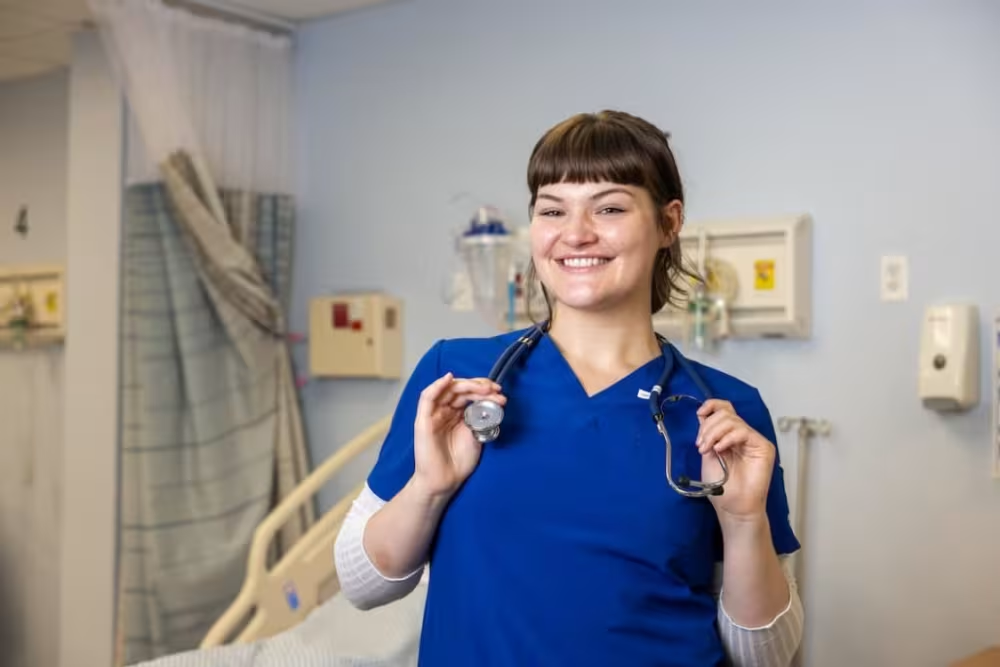
Caring for patients in their most vulnerable state is at the heart of the work performed in a post-anesthesia care unit (PACU). So, what is a PACU nurse? These registered nurses provide specialized care immediately after surgery, closely monitoring patients as they recover from anesthesia. They manage pain and other post-operative symptoms and recognize potential complications early.
Madonna University’s Accelerated Bachelor of Science in Nursing (ABSN) program employs a hybrid curriculum that combines in-person and online components to develop confident, prepared, patient-focused nurses. Plus, by leveraging your previous college education, you can graduate in as few as 16 months.
If you’re considering becoming a nurse and are interested in a fast-paced specialty that combines critical thinking, patient advocacy, and one-on-one patient care, PACU nursing may be the right fit. Let’s start by learning what a PACU nurse is and what they do in their unique role.
What Is a PACU Nurse?
PACU stands for post-anesthesia care unit, which is a specialized hospital unit where patients are closely monitored after surgery and anesthesia. Nurses who work in these units, known as PACU nurses, are highly skilled critical care nurses who ensure safety and recovery when patients are most at risk of adverse events after surgery.
What Does a PACU Nurse Do?
Working in hospitals, surgical centers, and ambulatory care facilities, PACU nurses closely monitor patients during the critical hours immediately after a procedure to ensure a safe recovery before transfer or discharge.
Common responsibilities of a PACU nurse include:
- Monitoring patients’ vital signs, level of consciousness, and recovery from anesthesia.
- Managing post-operative symptoms such as pain, nausea, or other anesthesia-related side effects.
- Administering medications and treatments as prescribed.
- Assessing surgical dressings and watching for signs of complications.
- Educating patients and their families about post-operative care and recovery instructions.
- Collaborating with physicians, anesthesiologists, and other healthcare professionals to coordinate care and communicate changes in a patient’s condition.
PACU nurses typically care for one or two patients at a time, allowing them to provide focused, individualized care during one of the most important stages of the surgical recovery process. Their ability to think critically, communicate effectively, and respond quickly to changes in a patient’s condition helps promote positive outcomes.

Learn everything you should know about becoming a nurse online.
Skills Needed to Be a Successful PACU Nurse
To care for patients properly, PACU nurses must have skills in areas including:
- Airway management techniques
- Anesthesia administration and reversal
- Complication recognition and crisis response
- IV insertion skills
- Operation of medical devices, such as cardiac monitors or patient-controlled analgesia pumps
- Rapid patient assessment
- Recovery scoring systems
How to Become a PACU Nurse
The process of becoming a PACU nurse is similar to that of other nursing specialties. You must start by becoming a registered nurse, gaining work experience, and eventually earning your PACU nursing certification.
Here’s a step-by-step breakdown of how to become a PACU nurse:
1. Earn a Nursing Degree
Regardless of specialty, every aspiring nurse needs a nursing degree. While there are multiple paths into a nursing career, a Bachelor of Science in Nursing (BSN) offers more advantages to PACU nurses. The BSN provides a greater depth of education that PACU nurses need to address the complex care of their patients.
A traditional BSN is typically a 4-year degree. Madonna University’s ABSN program, however, can fast-track your nursing education by leveraging a student’s prior education to provide a faster pathway, allowing you to earn your BSN in as few as 16 months. Here, you’ll benefit from a blend of online coursework, simulation and skills labs at our ABSN learning site in Metro Detroit, and in-person clinical rotations.

2. Pass the NCLEX Exam
Once you hold a nursing degree, you must pass the NCLEX-RN licensure exam, a comprehensive test that evaluates your clinical knowledge and judgment. After passing the exam and becoming registered in your state, you can begin working as a registered nurse.
3. Obtain Nursing Experience
PACU nursing requires experience to understand the intricacies of anesthesia and quickly identify signs that a patient may be experiencing adverse effects. Many employers prefer PACU nurses to have prior hospital nursing experience before moving into a recovery unit.
Intensive care units, emergency departments, and operating rooms are great places to build the skills needed for a PACU nursing role.
4. Apply for a PACU Nursing Certification
After gaining at least 1,200 hours of clinical experience in the first stage of recovery after anesthesia, registered nurses may be eligible to earn the Certified Post Anesthesia Nurse (CPAN) credential by passing the certification exam administered by the American Board of Perianesthesia Nursing Certification (ABPANC).
ABPANC also offers the Certified Ambulatory Perianesthesia Nurse (CAPA) credential for nurses specializing in ambulatory surgical care. The CAPA certification requires at least 1,200 hours of clinical experience caring for patients in areas such as pre-anesthesia care, care on the day of surgery or during a procedure, later-stage recovery after anesthesia, or extended recovery care. CPAN and CAPA certifications must be renewed every three years.
What Is the Career Outlook for PACU Nurses?
While nursing demand and compensation vary by factors like location, specialty, and experience, the profession as a whole remains in demand. The U.S. Bureau of Labor Statistics (BLS) reports that employment of nurses is expected to grow by 6% between 2025 and 2035, resulting in 194,700 added jobs during this period.
The BLS also announced that in 2025, the median annual wage for nurses across the U.S. was $97,550, with the top 10% earning more than $137,470.

Explore how time management in nursing can help you in your education and your career.
Is PACU Nursing Right for You?
If you enjoy a fast-paced environment, appreciate attention to detail, and want to care for patients during an important stage of the surgical journey, PACU nursing offers a challenging and fulfilling career path. Each day presents new patients, procedures, and opportunities to make a meaningful impact on patient safety and recovery.
PACU nursing could be a good fit if you:
- Enjoy monitoring and assessing patients: PACU nurses closely watch patients for changes in their condition and respond quickly to signs of complications.
- Stay calm under pressure: While many patients recover without issue, PACU nurses must be prepared to act quickly if a patient’s condition changes unexpectedly.
- Have strong critical thinking skills: You’ll use assessment findings to make informed decisions and communicate concerns to the healthcare team.
- Value teamwork: PACU nurses collaborate with surgeons, anesthesiologists, physicians, and other nurses to ensure a smooth recovery and safe transition to the next phase of care.
- Like building patient relationships: Although interactions are often brief, PACU nurses play an important role in reassuring patients and educating them and their families about post-operative care before discharge.

Start Your Nursing Career at Madonna University
At Madonna University, we prioritize intellectual, spiritual, and personal growth to graduate career-ready, responsible citizens who are excited to serve their communities. In our ABSN program, you will benefit from a flexible hybrid curriculum, small class sizes, personalized support, and Academic Success Coaches. With three start dates per year, there’s no reason to wait to start your nursing education.
Request info and connect with an admissions representative to learn more about Madonna’s ABSN program.